


Ultimate Travel Guide to Ladakh India Top Tips Attractions and What to Know
- kwtmag
- Nov 20, 2025
- 10 min read
Ladakh, a high-altitude desert nestled in the northernmost region of India, offers travelers a unique blend of rugged landscapes, rich culture, and thrilling adventures. Known as the "Land of High Passes," Ladakh attracts explorers seeking pristine nature, ancient monasteries, and vibrant local traditions. This guide covers everything you need to plan your trip, from quick facts and travel tips to the best places to stay, eat, and explore.
Quick Facts About Ladakh
Location: Northern India, part of the union territory of Ladakh
Altitude: Ranges from 2,800 to over 5,000 meters above sea level
Climate: Cold desert climate with harsh winters and mild summers
Official Languages: Ladakhi, Hindi, English
Currency: Indian Rupee (INR)
Population: Approximately 274,000 (as per recent estimates)
Best Time to Visit Ladakh
The ideal time to visit Ladakh is between May and September. During these months, the weather is pleasant, roads are accessible, and most tourist facilities are open. July and August bring occasional rain but also lush green valleys. Winters (October to April) are extremely cold, with heavy snowfall blocking many routes, making travel difficult.
Cost to Visit Ladakh
Traveling to Ladakh can fit various budgets:
Budget travelers: INR 1,000–1,500 per day (hostels, local food, shared transport)
Mid-range travelers: INR 3,000–5,000 per day (guesthouses, private taxis, guided tours)
Luxury travelers: INR 8,000+ per day (boutique hotels, private chauffeurs, fine dining)
Permits for tourists, such as the Inner Line Permit, cost around INR 400–600 depending on the duration and nationality.
How to Get There
By Air
The easiest way to reach Ladakh is by flying into Kushok Bakula Rimpochee Airport in Leh, the region’s capital. Direct flights operate from Delhi, Srinagar, and Jammu. Flights can be affected by weather, so booking flexible tickets is advisable.
By Road
From Manali: The Manali-Leh highway is a popular but challenging route, open from June to October.
From Srinagar: The Srinagar-Leh highway offers stunning views and is usually open from May to October.
Both routes involve high mountain passes and require acclimatization.
Transportation Options in Ladakh
Taxis: Widely available for local and long-distance travel.
Motorbikes: Popular for adventurous travelers; rentals are common in Leh.
Buses: Limited but affordable; connect major towns.
Shared cabs: Economical for group travel between towns.
Natural Disasters to Be Aware Of
Ladakh is prone to:
Landslides: Especially during the monsoon season on mountain roads.
Flash floods: Sudden floods can occur in river valleys.
Altitude sickness: Due to high elevation, acclimatization is crucial.
Travelers should monitor weather reports and follow local advice.
Crime Rate and Safety Tips
Ladakh is generally safe for tourists with a low crime rate. Basic safety tips include:
Avoid traveling alone at night in remote areas.
Keep valuables secure.
Respect local customs and traditions.
Carry a first aid kit and necessary medications.
Tribes and Local Culture
Ladakh is home to several ethnic groups, mainly:
Ladakhis

The Ladakhis are the indigenous people of the high-altitude region of Ladakh, primarily practicing Tibetan Buddhism. They are renowned for their vibrant monasteries, ancient temples, and colorful festivals such as Hemis, Losar, and Thiksey Gustor. Ladakhi culture emphasizes community, spiritual traditions, and a deep connection to the rugged Himalayan landscape. Visitors can experience their warm hospitality, traditional music and dance, and artisanal crafts, which reflect centuries of rich cultural heritage.
Brokpa Tribe
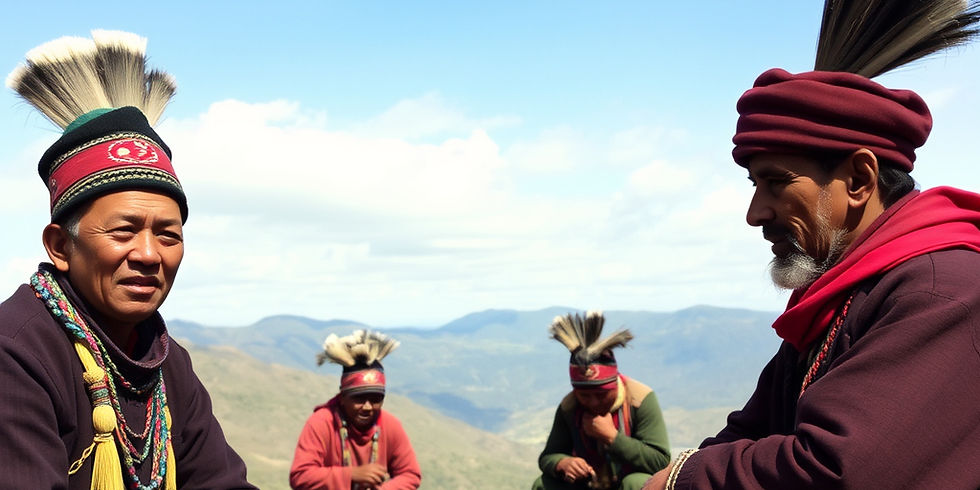
The Brokpa tribe, often referred to as the “highland Aryans,” inhabit the remote villages of Dah and Hanu in the Dha-Hanu valley. They are famous for their distinctive culture, traditional dress, and unique customs that have been preserved over centuries. Known for their intricate handicrafts, vibrant festivals, and close-knit community lifestyle, the Brokpas offer a fascinating glimpse into one of the most isolated and culturally rich communities of the region.
Balti People

The Balti people primarily reside in the Kargil region of Ladakh and are followers of Shia Islam. With a culture influenced by Tibetan, Central Asian, and Islamic traditions, the Balti community is known for its distinctive language, cuisine, and vibrant cultural practices. Visitors can explore historic mosques, traditional architecture, and local markets while learning about the unique heritage and lifestyle of the Balti people in this high-altitude region.
Visitors can experience local festivals like Hemis and Losar, showcasing music, dance, and religious rituals.
Neighborhoods and Towns to Explore
Leh

Leh is the vibrant capital of Ladakh and the main hub for travelers exploring the region. The town is famous for its bustling markets, where visitors can shop for traditional handicrafts, pashmina shawls, and local souvenirs. Leh is also home to several ancient monasteries, such as Shanti Stupa and Tsemo Gompa, offering glimpses into Tibetan Buddhist culture and spiritual life. With a variety of restaurants serving both local and international cuisine, Leh provides a perfect mix of culture, history, and modern comforts, making it an ideal base for exploring the surrounding region.
Nubra Valley

Nubra Valley, located north of Leh, is renowned for its breathtaking landscapes and unique experiences. The valley is home to vast sand dunes where visitors can ride double-humped Bactrian camels, a truly memorable adventure in the “land of high passes.” Alongside the desert-like scenery, the valley features lush orchards, charming villages, and historic monasteries, providing a contrast of natural beauty and cultural richness. It’s a must-visit destination for travelers seeking both adventure and tranquility.
Pangong Lake Area

Pangong Lake, stretching between India and China, is famous for its mesmerizing turquoise-blue waters and dramatic mountainous backdrop. The lake’s serene environment attracts photographers, nature lovers, and campers alike, offering peaceful spots to relax and enjoy the pristine surroundings. Visitors can stay in campsites or homestays near the lake, experience sunrise and sunset over the water, and witness migratory birds, making it one of Ladakh’s most iconic and picturesque locations.
Kargil

Kargil, located between Leh and Srinagar, is historically significant and culturally diverse. Known for its strategic importance during past conflicts, the town also offers a rich cultural experience with Balti and other local communities. Visitors can explore ancient mosques, traditional markets, and scenic landscapes of the Suru and Dras valleys. Kargil provides an off-the-beaten-path experience for travelers interested in history, culture, and the rugged beauty of Ladakh.
Lakes and Beaches
Ladakh is landlocked, so it has no beaches. However, it boasts spectacular lakes:
Pangong Tso

Pangong Tso is a breathtaking saltwater lake that stretches across the India-China border and is famous for its ever-changing colors, which shift from deep blue to turquoise depending on the sunlight and weather. Surrounded by stark mountains and dramatic landscapes, the lake offers one of the most picturesque spots in Ladakh. Visitors can enjoy camping along its banks, witness stunning sunrises and sunsets, and take photographs of the serene waters reflecting the surrounding peaks. Pangong Tso is also popular among travelers seeking solitude and a chance to connect with nature.
Tso Moriri

Tso Moriri, located in southeastern Ladakh, is a tranquil high-altitude lake set amidst towering mountains and open plains. Known for its pristine environment and crystal-clear waters, it is a haven for nature lovers and those seeking peace away from crowded tourist spots. The lake is home to rare wildlife, including migratory birds, and nearby traditional villages offer glimpses of the local Changpa culture. Tso Moriri’s remote and serene setting makes it a perfect destination for camping, photography, and experiencing the untouched beauty of the Himalayas.
Tso Kar

Tso Kar is a smaller salt lake situated in the Rupshu Valley, renowned for its rich birdlife and unique ecosystem. Often called the “white lake” due to its high salt content, it attracts migratory birds like black-necked cranes and various waterfowl, making it a paradise for birdwatchers and wildlife enthusiasts. The lake’s stark, almost lunar-like landscape is surrounded by snow-capped peaks and open desert plains, offering a striking contrast and a peaceful, remote experience for adventurous travelers exploring Ladakh’s high-altitude wetlands.
These lakes offer breathtaking views and opportunities for photography and camping.
Where to Stay
Options range from budget guesthouses to luxury hotel
Budget: Zostel Leh

A popular budget-friendly hostel offering dorms and private rooms in a vibrant, social atmosphere. Guests can enjoy a cozy lounge, shared kitchen, and opportunities to meet fellow travelers. Ideal for backpackers and anyone exploring Leh on a tight budget.
Mid-Range: Hotel Lingzi

Located in central Leh, this comfortable guesthouse provides clean, well-equipped rooms with rooftop views of the town and surrounding mountains. It’s ideal for families and couples looking for a balance of comfort and affordability, with friendly staff and convenient access to local attractions.
Luxury: The Grand Dragon Ladakh

A luxurious hotel combining traditional Ladakhi architecture with modern amenities. Guests can enjoy spacious suites, in-house dining, and stunning mountain views. This upscale property is perfect for travelers seeking comfort, style, and a memorable stay in the heart of Leh.
Booking in advance during peak season is recommended.
Where to Camp in Ladakhi
Camping is popular near:
Pangong Lake

Several campsites are available along the shores of Pangong Lake, offering tents with basic facilities such as bedding, shared toilets, and sometimes small dining areas. Camping here allows visitors to wake up to the stunning turquoise waters and panoramic mountain views, making sunrise and sunset particularly magical. Some camps even offer local meals and guided walks along the lake, giving travelers an immersive experience in this iconic high-altitude destination.
Nubra Valley

In the Nubra Valley, desert camps are set up near the famous sand dunes, providing a unique combination of adventure and comfort. Visitors can enjoy camel rides on Bactrian camels, stargazing under the clear desert sky, and experiencing the warm hospitality of the local staff. These camps often offer traditional Ladakhi meals and simple yet cozy accommodations, making them perfect for travelers looking to combine adventure with cultural experiences.
Tso Moriri

Tso Moriri is a remote, high-altitude lake with pristine natural surroundings, and camping here is ideal for nature lovers seeking solitude. Campsites provide basic tents with bedding, and some may include locally-prepared meals. The area is perfect for birdwatching, photography, and enjoying the tranquility of the Himalayas. Staying at Tso Moriri gives visitors a sense of being completely immersed in nature, away from crowded tourist spots, while still having access to essential amenities.
Bring warm clothing and gear for cold nights.
Where to Eat in Ladakhi
Ladakhi cuisine features hearty dishes:
The Tibetan Kitchen

The Tibetan Kitchen is a must-visit in Leh for authentic Tibetan and Ladakhi cuisine. Its cozy wooden interiors make it welcoming, and dishes like thukpa (hearty noodle soup) and momos (steamed or fried dumplings) are perfect for warming up after exploring the mountains. Pair your meal with traditional butter tea for a truly local experience.
Alchi Kitchen

Alchi Kitchen is a small, family-run restaurant celebrated for its traditional Ladakhi specialties. Chef Nilza Wangmo uses fresh local ingredients to prepare dishes like skyu (pasta-like with vegetables and meat) and chhutagi (bow-tie-shaped dough in broth), alongside rustic khambir bread. Apricot-based desserts highlight Ladakh’s unique produce.
Namza Dining

Namza Dining offers a heritage-style dining experience with both flavor and atmosphere. With wooden interiors and rooftop seating overlooking Leh Palace, it’s perfect for enjoying mutton Yarkhandi pulao, gyuma (Ladakhi sausage), and classics like thukpa and momos. Try a glass of tart seabuckthorn juice to complete the meal.
Try local snacks like apricot jam and barley bread.
Local Dishes to Try
Thukpa

Thukpa is a comforting noodle soup made with wheat or barley noodles, vegetables, and sometimes meat. It has variations like “thenthuk” (hand-pulled noodles) and “pakthuk,” and is perfect for warming up in Ladakh’s cold climate.
Momos

Momos are steamed or fried dumplings filled with vegetables, meat, or cheese. They are often served with spicy chutney or in a light soup called mokthuk, which combines the flavors of momos and thukpa.
Mokthuk

Mokthuk is a fusion dish of momos and soup, consisting of small dumplings floating in a light, savory broth. It’s a popular way to enjoy momos in a heartier form.
Skyu

Skyu is a traditional Ladakhi stew made with hand-rolled dough pieces, root vegetables, and sometimes meat. A milky variation called oma skyu uses milk instead of water for a creamier version.
Chhutagi

Chhutagi, also known as “water-bread,” features bow-tie-shaped noodles cooked in a thick soup with vegetables or meat. It is a staple comfort food in Ladakh.
Tingmo

Tingmo is a soft, steamed bun without filling, often paired with stews like skyu or soups like thukpa. It is light and fluffy, perfect for soaking up savory broths.
Chhurpi

Chhurpi is a chewy yak cheese available in soft and hard varieties. The hard version is eaten as a snack, while both types can be added to soups or stews.
Khambir
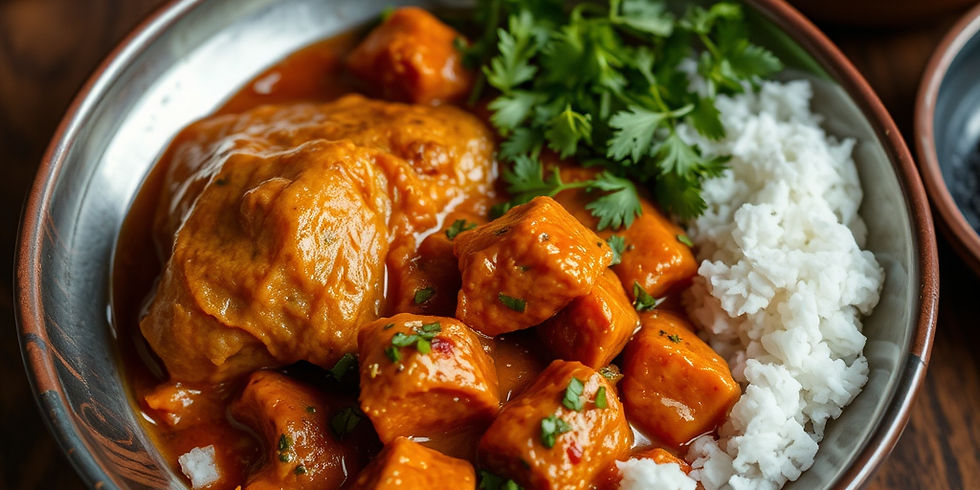
Khambir is a traditional Ladakhi bread made from whole wheat. It is thick and often baked on hot stones. Khambir is commonly enjoyed with butter tea, jam, or soups.
Yakhni

Yakhni is a yogurt-based curry, usually prepared with lamb or chicken. It is rich, flavorful, and reflects Ladakh’s tradition of hearty mountain dishes.
Ladakhi Pulao

Ladakhi pulao is a slightly sweet rice dish cooked with nuts, raisins, and local spices. It is often served as a festive or special-occasion dish.
Gundruk

Gundruk consists of fermented leafy vegetables, such as cabbage or radish, and is typically used in soups or served as a side dish.
Chuli

Chuli is a sweet apricot jam made from locally grown apricots. Ladakh is famous for its apricot orchards, and chuli is a popular treat or accompaniment to bread.
Butter Tea

Butter tea, also called po cha, is made from tea leaves, yak butter, salt, and milk. It is a warming and energizing beverage essential for the cold, high-altitude climate of Ladakh.
Chhang

Chhang is a mildly alcoholic barley brew traditional to Ladakh. It is often consumed during festivals and social gatherings, reflecting the region’s cultural traditions.
Where to Shop
Leh’s markets offer:
Leh Main Bazaar / Main Market

The heart of Leh’s shopping scene, Main Bazaar is lined with shops and stalls offering a wide variety of items. You can find pashmina shawls, handwoven rugs, traditional Ladakhi clothing, silver and turquoise jewelry, dried fruits, and local souvenirs. It’s a must-visit for first-time shoppers looking for an authentic Ladakhi experience.
Tibetan Market (Old Leh Road)

Run primarily by Tibetan artisans, this market has a more local feel and often better prices. It’s a great place to shop for prayer flags, thangka paintings, Tibetan masks, woolen clothing, and handicrafts. Bargaining is common here, making it ideal for authentic, budget-friendly finds.
Cottage Industries / Tibetan Handicraft Emporium

This government-run shop is known for authentic handicrafts and provides reliable quality without the worry of fakes. Items include thangkas, carpets, pashmina, metal crafts, and other traditional Ladakhi goods, making it a trustworthy stop for high-quality souvenirs.d spices.
Bargaining is common in local markets.
Casinos
Ladakh does not have casinos. The region’s focus is on natural beauty and cultural experiences rather than gambling.
Top Attractions and Best Things to Do
Leh Palace: A 17th-century royal palace with panoramic views.
Thiksey Monastery: A large Buddhist monastery resembling Potala Palace.
Magnetic Hill: A gravity-defying spot where vehicles appear to roll uphill.
Zanskar Valley: Trekking and river rafting adventures.
Hemis Festival: A vibrant cultural event with masked dances.
Best Kids Adventures
Camel rides in Nubra Valley: Fun and safe for children.
Nature walks: Around Leh and nearby villages.
Visiting monasteries: Educational and visually engaging.
Pangong Lake: Kids will enjoy the open space and wildlife spotting.
Travel Tips
Acclimatize for 1-2 days after arrival to avoid altitude sickness.
Carry cash; ATMs are limited outside Leh.
Dress in layers to handle temperature changes.
Stay hydrated and avoid alcohol initially.
Respect local customs and dress modestly.
Packing List
Warm clothing (thermal wear, jackets, gloves)
Comfortable trekking shoes
Sunscreen and sunglasses (high UV exposure)
Reusable water bottle
Basic first aid kit and altitude sickness medication
Power bank and camera
Travel documents and permits


Comments