


Ultimate Tokyo Travel Guide: Tips, Costs, Safety, and Top Attractions
- kwtmag
- Feb 27
- 16 min read
Tokyo stands as one of the most exciting cities in the world, blending cutting-edge technology with deep-rooted tradition. Whether you are a first-time visitor or returning to explore more, this guide offers practical advice and detailed insights to help you make the most of your trip. From costs and safety to neighborhoods and festivals, here is everything you need to know before heading to Japan’s vibrant capital.

Quick Facts About Tokyo
Population: Over 14 million in the metropolitan area
Language: Japanese (English widely understood in tourist areas)
Currency: Japanese Yen (JPY)
Time Zone: Japan Standard Time (UTC +9)
Climate: Humid subtropical with hot summers and mild winters
Tokyo is a city of contrasts, where ancient temples sit alongside skyscrapers. It offers something for every traveler, from food lovers to history buffs.
Cost to Visit Tokyo
Tokyo can be affordable or luxurious depending on your choices. Here’s a rough breakdown:
Accommodation: Budget hostels start around ¥2,000 ($15) per night; mid-range hotels ¥8,000–¥15,000 ($60–$110); luxury hotels can exceed ¥30,000 ($220).
Food: Street food and convenience store meals cost ¥300–¥700 ($2.50–$6). Dining at casual restaurants ranges from ¥1,000–¥3,000 ($8–$25). High-end dining can be ¥10,000+ ($75+).
Transport: A single subway ride costs ¥170–¥320 ($1.25–$2.50). A prepaid Suica or Pasmo card makes travel easier.
Attractions: Many shrines and parks are free. Museums and theme parks charge ¥500–¥8,000 ($4–$60).
Planning a daily budget of ¥8,000–¥12,000 ($60–$90) per person covers meals, transport, and entry fees comfortably.
Best Time to Visit Tokyo
Tokyo is enjoyable year-round but these periods stand out:
Spring (March to May): Cherry blossoms bloom, mild weather, popular for hanami (flower viewing).
Autumn (September to November): Pleasant temperatures and colorful foliage.
Avoid: July and August can be hot and humid, with typhoon season peaking in September.
Visiting during festivals in spring or autumn adds cultural richness to your experience.
Natural Disasters and Safety Tips
Tokyo lies in an earthquake-prone zone and occasionally faces typhoons. The city is well-prepared with strict building codes and early warning systems.
Earthquake safety: Familiarize yourself with evacuation routes and emergency kits.
Typhoon season: Check weather forecasts and plan indoor activities if storms approach.
General safety: Tokyo has a low crime rate, but standard precautions apply—keep an eye on belongings and avoid poorly lit areas at night.
How to Get There
Tokyo has two main airports:
Narita International Airport (NRT): About 60 km from central Tokyo, serves most international flights.
Haneda Airport (HND): Closer to the city, handles domestic and some international flights.
From airports, options include:
Train: Narita Express and Keisei Skyliner connect Narita to Tokyo Station in about an hour. Haneda is linked by the Tokyo Monorail and Keikyu Line.
Bus: Airport limousine buses serve major hotels and districts.
Taxi: Convenient but expensive, especially from Narita.
Tribes of Tokyo
Tokyo’s culture includes various social groups or “tribes” that reflect its diversity:
Harajuku Youth – Colorful & Eclectic Fashion

Harajuku is famous worldwide for its bold, creative youth culture. Teens and young adults in this area express themselves through vibrant, eclectic outfits that mix streetwear, vintage pieces, cosplay-inspired elements, and DIY accessories. Styles range from kawaii pastel looks to punk, gothic, and avant-garde fashion.On weekends, Takeshita Street becomes a living runway where individuality is celebrated. These styles shift quickly with trends, making Harajuku a constantly evolving hub of youthful creativity.
Salarymen – The Symbol of Japan’s Work Culture

Salarymen are Japan’s ubiquitous office workers, recognizable by their dark business suits, briefcases, and brisk walking pace. They represent dedication to corporate life and are often seen during morning rush hour at major stations like Shinjuku and Tokyo Station.Their routines commonly include long working hours, commuting on crowded trains, and after-work socializing at izakayas with colleagues. Salarymen have become a cultural symbol—reflecting both Japan’s economic strength and the pressures of modern work life.
Otaku – Anime, Manga & Gaming Enthusiasts

Otaku culture is deeply rooted in Japan’s pop-culture scene. These passionate fans immerse themselves in anime, manga, video games, light novels, and character merchandise.Akihabara is the heart of otaku culture, filled with specialty stores, arcades, maid cafés, and shops selling figurines, collectibles, and electronics. Otaku interests span from mainstream series to niche fandoms, and events like Comic Market (Comiket) highlight the community’s creativity and enthusiasm.Otaku culture is now globally influential, with Tokyo as its epicenter.
Traditionalists – Keepers of Cultural Arts

Traditionalists are individuals dedicated to preserving Japan’s classical arts and customs. They practice disciplines like tea ceremony (sadō), ikebana (flower arranging), kimono dressing, calligraphy, and karate.In Tokyo, you’ll find them in cultural schools, historic districts, shrines, and events. Another iconic group includes sumo wrestlers, who maintain centuries-old rituals in training stables (heya) around Ryogoku.Traditionalists embody Japan’s deep respect for heritage, balancing modern life with practices rooted in history and aesthetics.
Neighborhoods to Explore
Tokyo’s neighborhoods each have a unique character:
Shinjuku – Skyscrapers, Neon Nights, and the World’s Busiest Train Station

Shinjuku is one of Tokyo’s most energetic and multidimensional districts. Towering skyscrapers define the skyline, housing major companies, hotels, and the iconic Tokyo Metropolitan Government Building with its free panoramic observatories. Below them, Shinjuku Station—the busiest train station in the world—channels millions of commuters each day through its maze of platforms and underground corridors. At night, the area bursts to life: neon-lit entertainment streets, endless izakayas, karaoke bars, arcades, and the legendary Golden Gai with its tiny, character-filled bars. Shinjuku is a place where business, nightlife, shopping, and chaos blend into a single electric atmosphere.
Shibuya – Youth Culture, Trendsetting Fashion, and Tokyo’s Most Famous Crossing

Shibuya is the beating heart of Tokyo youth culture—colorful, creative, and constantly reinventing itself. Known around the world for the Shibuya Scramble Crossing, where thousands cross from all directions at once, the district is packed with iconic fashion malls, music shops, cafes, and pop culture landmarks. Streets like Center Gai and Dogenzaka pulse with energy day and night, drawing students, trendsetters, and influencers. With its big screens, bright billboards, and youthful spirit, Shibuya is the epicenter of Tokyo’s ever-evolving street fashion and lifestyle scene.
Asakusa – Historic Temples, Old-Town Charm, and Traditional Markets

Asakusa offers a step back in time to Tokyo’s Edo-era roots. The district is centered around Sensō-ji, Tokyo’s oldest and most significant Buddhist temple, with its massive red lantern and dramatic Thunder Gate. Leading to the temple is Nakamise-dori, a bustling street lined with traditional snack shops, souvenir stalls, and artisans selling handmade goods. Rickshaws, kimono rentals, and old taverns add to the nostalgic charm. Asakusa’s warm, historical atmosphere contrasts beautifully with the futuristic skyline visible across the river—including the towering Tokyo Skytree.
Ginza – Luxury Shopping, Modern Architecture, and Fine Dining Excellence

Ginza is Tokyo’s premier district for luxury, elegance, and refined taste. Its wide boulevards sparkle with flagship stores from global fashion houses, cutting-edge architecture, and high-end jewelry boutiques. Gourmet dining is a key part of Ginza’s identity, offering everything from legendary sushi counters to Michelin-starred restaurants. During weekends, some streets become pedestrian-only, transforming the area into a relaxed open-air shopping promenade. With its sophisticated blend of art galleries, theaters, designer brands, and gourmet cuisine, Ginza represents the polished, upscale side of Tokyo.
Akihabara – Electric Town and the Global Capital of Otaku Culture

Akihabara—affectionately called “Akiba”—is a paradise for fans of anime, manga, video games, and technology. What began as an electronics market after World War II has evolved into the world’s most famous otaku hub. Giant anime billboards tower over streets filled with game arcades, collectible figure shops, retro gaming stores, maid cafés, and specialty electronics retailers. Whether you’re hunting rare gadgets, diving into Japanese pop culture, or exploring multi-story arcades, Akihabara’s electric energy and niche passions make it unlike anywhere else in the world.
Roppongi – Upscale Nightlife, International Vibes, and World-Class Art Museums

Roppongi is Tokyo’s cosmopolitan nightlife district, popular among both locals and international visitors. Known for its lively bar and club scene, the area also has a sophisticated cultural side thanks to Roppongi Hills and Tokyo Midtown, two luxury complexes featuring upscale dining, designer shops, and green urban spaces. Roppongi is also home to several major art museums, including the Mori Art Museum and the National Art Center Tokyo, making it a hub where modern art meets modern nightlife. Stylish, international, and energetic, Roppongi offers a unique blend of culture and entertainment.
If you'd like, I can also create:
Choosing where to stay depends on your interests and budget.
Where to Stay
Accommodation options vary widely:
Budget-Friendly

Tokyo offers many budget-friendly options without sacrificing cleanliness or safety.
Capsule hotels provide compact sleeping pods, shared facilities, and a uniquely Japanese experience—great for solo travelers or short stays. Many newer capsule hotels feature modern designs, lounges, and even co-working areas.
Hostels in neighborhoods like Asakusa, Ueno, Iriya, and Nippori offer dorms and private rooms at affordable rates. These areas are convenient for sightseeing and have excellent train access.Expect friendly staff, communal kitchens, and opportunities to meet fellow travelers while keeping costs low.
Mid-Range – Business Hotels in Shinjuku & Shibuya

Mid-range business hotels are perfect for travelers who want comfort, reliable service, and an ideal location.
In Shinjuku, you’ll find efficient, well-equipped hotels near major train lines, nightlife, and restaurants. Rooms are compact but thoughtfully designed with high-quality beds, strong Wi-Fi, and amenities like pajamas, toiletries, and tea sets.
Shibuya offers a slightly trendier atmosphere, with mid-range hotels close to shopping, cafés, and entertainment. Staying here puts you near famous spots like Shibuya Crossing and the Yoyogi Park area.Business hotels balance price and convenience, making them one of the best value options in Tokyo.
Luxury – High-End Hotels in Ginza & Roppongi

For a premium experience, Tokyo’s luxury hotels offer top-tier service, refined design, and exceptional dining.
Ginza provides elegant stays near high-end shopping streets, art galleries, and fine-dining restaurants. Expect spacious rooms, concierge services, and breathtaking city views.
Roppongi is known for international ambience and stylish luxury hotels close to museums like the Mori Art Museum. Here, you’ll find rooftop bars, Michelin-starred dining, spa facilities, and panoramic skyline views.These areas are ideal for travelers prioritizing comfort, privacy, and world-class hospitality.
Ryokan – Traditional Japanese Inns (Often Outside Central Tokyo)

Although you can find a few ryokan within Tokyo, most of the authentic experiences are located in nearby regions like Hakone, Nikko, or Izu.Ryokan stays include:
Tatami-mat rooms with futon bedding
Kaiseki meals, showcasing seasonal Japanese cuisine
Onsen hot springs, perfect for relaxing after a day of exploring
Traditional hospitality, with a slower, more peaceful atmosphereStaying at a ryokan gives you a cultural escape from the city, combining comfort with timeless Japanese tradition.
Booking early during peak seasons is recommended.
Camping Near Tokyo
While Tokyo itself is urban, nearby areas offer camping:
Okutama: About 2 hours by train, great for hiking and riverside camping.
Mount Takao: Popular day-trip spot with camping sites nearby.
Chichibu: Known for natural beauty and outdoor activities.
Camping provides a refreshing break from city life.

Where to Eat
Tokyo is a food lover’s paradise:
Sushi – Tsukiji Outer Market & Conveyor Belt Chains

For a classic sushi experience, the Tsukiji Outer Market is a must-visit. While the wholesale market moved to Toyosu, Tsukiji still thrives with family-run sushi bars, fresh seafood stalls, and small eateries serving sashimi bowls and grilled fish. It’s great for sampling seasonal seafood and wandering between vendors.For something casual and fun, try conveyor belt (kaiten) sushi chains like Sushiro, Kura Sushi, Genki Sushi, or Nemuro Hanamaru. These offer surprisingly high quality at reasonable prices, with touch-screen ordering and fast service—perfect for travelers.
Ramen – Endless Styles Across Tokyo

Tokyo is a paradise for ramen lovers, offering everything from creamy tonkotsu and salty shio to rich miso and classic shoyu broths. Districts like Ikebukuro and Shinjuku are full of famous shops, including long-standing institutions and trendy newcomers. Expect specialty shops that focus on one perfected style, unique toppings like flame-grilled chashu, and lines of locals waiting for their favorite bowl.Try exploring ramen alleys, limited-edition bowls, or regional variations that Tokyo’s top chefs bring from all over Japan.
Street Food – A Taste of Local Festivals & Markets
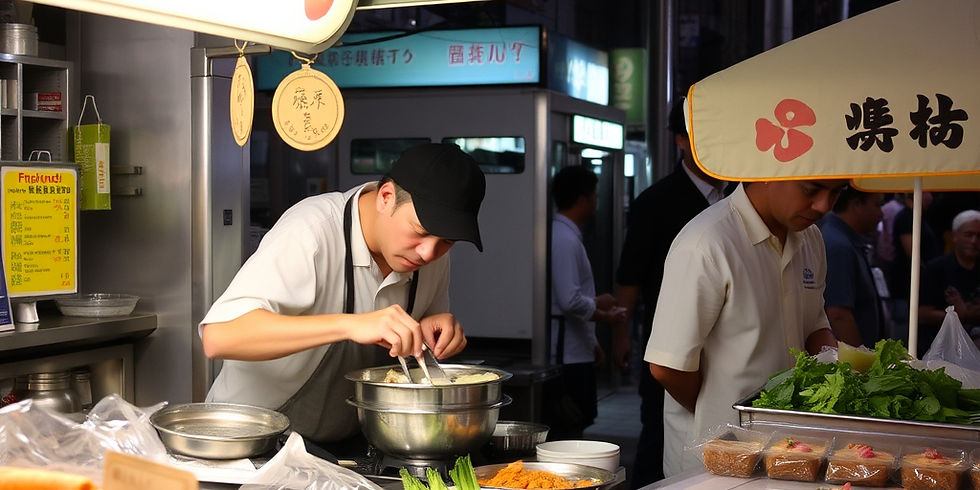
You’ll find Japanese street food everywhere from shopping streets to seasonal matsuri (festivals). Popular options include:
Takoyaki: Crispy-on-the-outside, gooey-on-the-inside octopus balls, especially good in spots modeled after Osaka stalls.
Yakitori: Grilled chicken skewers seasoned with salt or tare sauce, found from street vendors to specialized yakitori bars.
Taiyaki: Fish-shaped pastries usually filled with sweet red bean, custard, chocolate, or seasonal flavors.Whether you’re strolling through Asakusa, visiting Ueno’s Ameya-Yokocho market, or attending a shrine festival, street food is a fun and affordable way to sample Japan’s comfort snacks.
Izakayas – Casual & Social Japanese Dining

Izakayas are lively Japanese pubs offering small shareable plates and drinks, perfect for groups or solo diners. Expect dishes like karaage (fried chicken), grilled skewers, sashimi, pickled vegetables, and seasonal specialties. Drinks range from beer and highballs to sake and umeshu.Neighborhoods like Shinjuku’s Omoide Yokocho, Ebisu, and Shimbashi are filled with atmospheric alleyways of tiny izakayas. It’s one of the best ways to experience Tokyo’s after-work culture and try many different dishes in one night.
Vegan & Vegetarian – Growing Scene in Trendy Districts
Tokyo’s plant-based dining options have expanded quickly in recent years. Trendy areas like Shimokitazawa, Daikanyama, and Harajuku are home to vegetarian cafés, Japanese-style vegan meals, and creative fusion restaurants.Many ramen shops now offer vegan broth options, and even konbini (convenience stores) are beginning to stock plant-based snacks. Whether you want a veggie burger, a macrobiotic lunch set, or beautifully prepared vegan Japanese cuisine, you’ll find plenty of choices with a bit of exploring.
Don’t miss trying seasonal specialties and local sweets.
Where to Shop
Tokyo offers shopping for every taste:
Electronics – Akihabara

Akihabara is Tokyo’s iconic tech district, packed with multi-floor electronics stores, specialty shops, and anime-related retailers. Here you’ll find the latest gadgets, cameras, PC parts, and retro gaming gear. Animate and Mandarake offer huge selections of manga, figures, and collectibles, making it a paradise for tech lovers and anime fans alike.
Fashion – Harajuku & Ginza

Harajuku: Known for its colorful street fashion and youthful trends, Harajuku’s Takeshita Street is lined with quirky boutiques, thrift shops, and unique local brands. It’s perfect for discovering creative, bold styles.
Ginza: Tokyo’s luxury shopping hub, home to flagship stores for international designers, high-end Japanese brands, and elegant department stores. The wide boulevards and modern architecture create a polished, upscale atmosphere ideal for premium fashion.
Souvenirs – Nakamise Street (Asakusa)

Leading up to Senso-ji Temple, Nakamise Street is one of Tokyo’s oldest shopping streets. It’s filled with traditional snack vendors and stalls selling classic souvenirs like folding fans, yukata, handcrafted ornaments, lucky charms, and Japanese sweets. A great place to pick up authentic gifts in a historic setting.
Department Stores – Isetan, Takashimaya, Mitsukoshi
Tokyo’s major department stores offer a refined, all-in-one shopping experience.
Isetan (Shinjuku): Known for cutting-edge fashion and an incredible food hall.
Takashimaya (Shinjuku / Nihonbashi): Offers high-quality brands, gourmet groceries, and beautiful gift items.
Mitsukoshi (Ginza / Nihonbashi): One of Japan’s oldest department stores, famous for its excellent service and luxury selection.These stores are ideal for curated Japanese goods, cosmetics, and artisan items.
Secondhand & Vintage – Shimokitazawa & Koenji

These artsy neighborhoods are beloved for their thriving thrift and vintage scenes.
Shimokitazawa: Narrow streets filled with curated secondhand boutiques, indie fashion shops, vinyl record stores, and cozy cafés.
Koenji: A retro-loving district with a huge variety of affordable vintage clothing, punk fashion shops, and quirky street culture.Both areas are perfect for finding one-of-a-kind styles and sustainable fashion bargains.
Look for unique Japanese products like stationery, ceramics, and beauty items.
Festivals in Tokyo
Tokyo hosts many festivals throughout the year:
Sanja Matsuri (May)

Held in Asakusa, Sanja Matsuri is one of Tokyo’s most energetic and culturally significant Shinto festivals. The celebration spans three days and features lively parades of mikoshi (portable shrines) carried by hundreds of participants through the streets. Traditional music, dancing, food stalls, and vibrant crowds create an atmosphere that captures the spirit of old Tokyo. It’s an incredible opportunity to experience local traditions up close.
Sumida River Fireworks (July)

One of Japan’s oldest and most famous fireworks festivals, the Sumida River Fireworks Show illuminates the night sky over central Tokyo with thousands of dazzling fireworks. The event draws massive crowds who gather along the riverbanks, surrounding parks, rooftops, and bridges for a perfect view. The show often lasts over an hour, blending traditional firework styles with modern, creative displays.
Tokyo Marathon (March)

A major international marathon that attracts elite athletes, amateur runners, and enthusiastic spectators from around the world. The course winds through many of Tokyo’s most iconic neighborhoods, offering participants scenic urban views and energetic support from cheering crowds. It’s one of the city’s biggest sporting events, with a lively atmosphere and extensive cultural activities surrounding race day.
New Year Celebrations

New Year’s in Tokyo is celebrated with a mix of tradition and reflection. One of the most meaningful customs is Hatsumode, the first shrine visit of the year. Popular shrines like Meiji Jingu attract millions who come to offer prayers for health, success, and good fortune. Late-night food stalls, fortune-telling (omikuji), and ceremonial rituals create a festive yet spiritual mood. Many people stay up to welcome the first sunrise, known as Hatsuhinode, believed to bring blessings for the year ahead.
Participating in festivals offers a glimpse into local traditions.
Top Attractions
Some must-see places include:
Tokyo Tower

An iconic symbol of Tokyo’s skyline, Tokyo Tower offers multiple observation decks with panoramic views of the city. Visitors can enjoy dining, shopping, and seasonal light-ups, making it a popular stop both day and night.
Senso-ji Temple

Located in Asakusa, Senso-ji is Tokyo’s oldest and most famous Buddhist temple. The approach through Nakamise Street is lined with traditional shops selling snacks and souvenirs, giving visitors a glimpse of historic Tokyo culture.
Meiji Shrine

Nestled within a tranquil forest near Harajuku, Meiji Shrine provides a peaceful escape from the city’s energy. The spacious pathways, towering torii gate, and chances to witness traditional Shinto ceremonies make it a serene and spiritual destination.
Odaiba

A futuristic waterfront district known for its shopping malls, entertainment complexes, and stunning views of Tokyo Bay. Highlights include the Rainbow Bridge, waterfront parks, and attractions like Palette Town and DiverCity.
TeamLab Borderless

A groundbreaking, immersive digital art museum where vibrant light installations and interactive displays respond to movement. The exhibits flow seamlessly between rooms, creating an ever-changing environment that feels like stepping into a living artwork.
Ueno Park

A large, cultural park home to several major museums, a zoo, tranquil ponds, and seasonal events. It’s especially famous for its cherry blossoms in spring, drawing crowds who gather for hanami picnics beneath the blooming trees.
Plan your itinerary to balance cultural sites and modern attractions.
Best Things to Do in Tokyo
Explore Tsukiji Outer Market for fresh seafood

Wander through a lively maze of stalls offering freshly caught seafood, grilled street snacks, and specialty Japanese ingredients. You can sample everything from melt-in-your-mouth sushi to tamagoyaki omelets while watching vendors skillfully prepare their goods. The surrounding shops also sell kitchenware, spices, and unique culinary souvenirs.
Take a boat ride on the Sumida River

A relaxing cruise along the Sumida River provides a scenic way to see Tokyo from a different perspective. As you glide under historic bridges, you’ll pass landmarks such as Asakusa, Hamarikyu Gardens, and the Tokyo Skytree. Evening cruises offer especially beautiful views of the illuminated skyline reflecting on the water.
Visit the Imperial Palace East Gardens

Located on the former site of Edo Castle, the East Gardens offer peaceful landscapes filled with seasonal flowers, stone ruins, and carefully maintained lawns. Visitors can stroll through traditional Japanese garden features, explore the old guardhouses, and enjoy a quiet retreat right in the center of Tokyo.
Experience a traditional tea ceremony

Participating in a Japanese tea ceremony allows you to appreciate the elegance and mindfulness of preparing matcha. Guided by a tea master, you’ll learn the rituals, gestures, and cultural significance behind each step. The serene setting and slow pace make it a memorable cultural experience.
Shop and people-watch on Takeshita Street, Harajuku

This vibrant pedestrian street is a hub of youth culture, quirky fashion, and colorful boutiques. From trendy clothing stores to crepe stands and themed cafés, Takeshita Street bursts with energy. It’s an excellent spot to soak in Harajuku’s eclectic style and observe the latest fashion trends.
Enjoy panoramic city views from Tokyo Skytree

Tokyo Skytree, one of the tallest towers in the world, offers breathtaking views stretching across the metropolis. The Tembo Deck and Tembo Galleria provide glass-walled, sky-high observation floors where you can take in the cityscape, spot Mount Fuji on clear days, and enjoy restaurants and shops at the base.
Mix popular spots with hidden gems for a richer experience.
Best Kids Adventures in Tokyo
Tokyo offers many family-friendly activities:
Tokyo Disneyland – Classic Disney Magic, Parades, and Family-Friendly Fun

Tokyo Disneyland delivers the timeless charm of classic Disney brought to life with Japan’s famous attention to detail and hospitality. The park is filled with beloved attractions like Pirates of the Caribbean, Splash Mountain, Space Mountain, and It’s a Small World, making it perfect for families and Disney fans of all ages. Colorful parades, character meet-and-greets, and seasonal events create a lively atmosphere throughout the year. Shops and cafés offer themed snacks, cute merchandise, and festive treats you can only find in Japan. With its fairy-tale architecture, immersive lands, and warm, welcoming atmosphere, Tokyo Disneyland is a joyful, nostalgic escape where the magic of Disney feels both familiar and refreshingly new.
Tokyo DisneySea – A One-of-a-Kind Park with Adventure, Exploration, and Stunning Themed Worlds

Tokyo DisneySea is unique to Japan and widely considered one of the most beautifully designed theme parks in the world. Inspired by myths, exploration, and ocean adventures, the park features elaborate themed “ports” like Mediterranean Harbor, American Waterfront, Arabian Coast, and the mysterious Mysterious Island. Thrill-seekers love attractions such as Journey to the Center of the Earth and Tower of Terror, while the park’s atmospheric shows, waterfront scenery, and nighttime illuminations appeal to adults and older teens. With gourmet dining, intricate storytelling, and breathtaking environments that feel almost cinematic, Tokyo DisneySea offers a deeper, more adventurous Disney experience you won’t find anywhere else.
Ghibli Museum – A Whimsical Journey into the Worlds of Studio Ghibli

Located in Mitaka, the Ghibli Museum brings the enchanting imagination of Studio Ghibli to life through beautifully crafted exhibits, interactive displays, and charming environments that feel lifted straight from Hayao Miyazaki’s films.Visitors can explore creative rooms filled with sketches, storyboards, and animation secrets, ride a giant Catbus (for children), and watch exclusive short films in the museum’s private Saturn Theater.The entire building itself is whimsical, with spiral staircases, stained-glass windows featuring Ghibli characters, and hidden surprises tucked into every corner. It’s a place designed not just to look at art, but to experience the Ghibli spirit of curiosity, fantasy, and gentle storytelling.
Ueno Zoo – Japan’s Oldest Zoo and Home to Beloved Giant Pandas

Founded in 1882, Ueno Zoo is Japan’s oldest and most historically significant zoological park, located inside the spacious Ueno Park. It’s well-known for its famous giant pandas, which attract visitors from across Japan, but the zoo is home to hundreds of species from around the world, including tigers, gorillas, elephants, and rare birds.The grounds are split into two main areas connected by a monorail, making it fun and easy to explore with children. Besides animal exhibits, Ueno Zoo also places emphasis on education, conservation, and animal welfare, offering a mix of entertainment and learning in a natural, park-like environment.
LEGOLAND Discovery Center – Indoor Fun for Kids Who Love Building and Creativity
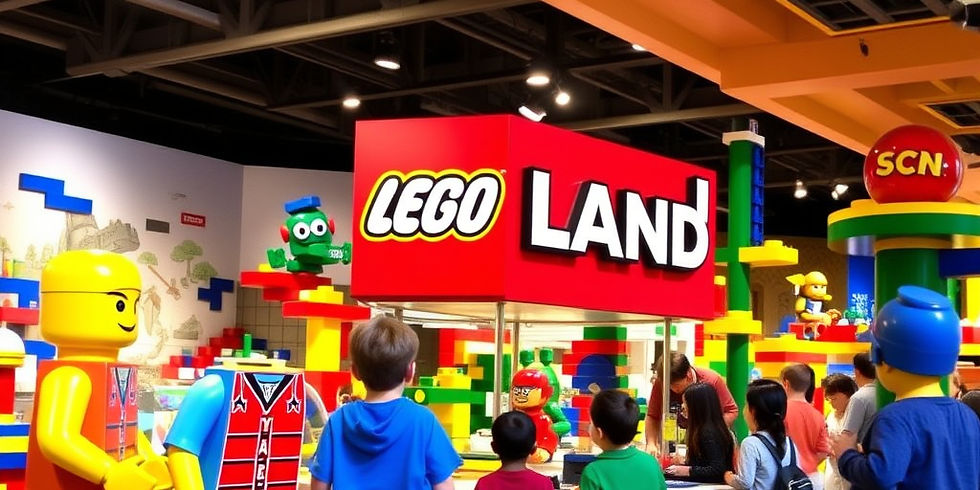
Located in Odaiba, this indoor LEGO-themed attraction is perfect for families with younger children. LEGOLAND Discovery Center features hands-on play zones, themed building areas, a mini-figure factory, a 4D cinema with special effects, and small rides designed for kids.The centerpiece is MiniLand Tokyo, a detailed LEGO recreation of iconic city landmarks, built from thousands of bricks. The center offers hours of creative play, making it an ideal rainy-day activity or a relaxing break from sightseeing.
Sumida Aquarium – A Modern, Beautifully Designed Aquarium Inside Tokyo Skytree Town

Situated inside the Tokyo Skytree Town complex, Sumida Aquarium is known for its sleek, contemporary design and well-curated marine exhibits. Its standout feature is one of Japan’s largest open indoor tanks, home to vibrant schools of fish and gracefully drifting jellyfish.The aquarium emphasizes up-close viewing, allowing visitors to see penguins, seals, and jellyfish from very close distances. With its artistic lighting, relaxing pathways, and focus on creating an immersive mood, it’s not just an aquarium—it’s a calming, almost gallery-like experience for ocean lovers.Many visitors combine it with a trip up Tokyo Skytree, making it a perfect pairing of aquatic beauty and panoramic city views.
These spots keep children entertained and engaged.

Best Day Trips From Tokyo
Kamakura + EnoshimaTemples, Great Buddha, bamboo forest, beaches, island views.
HakoneHot springs, Mount Fuji views, ropeway, lake cruise, art museum.
NikkoStunning shrines in the forest, waterfalls, mountain scenery.
Travel Tips
Purchase a prepaid Suica or Pasmo card for easy transport.
Learn basic Japanese phrases; locals appreciate the effort.
Carry cash; many places do not accept credit cards.
Use free Wi-Fi spots or rent a pocket Wi-Fi device.
Respect local customs, such as removing shoes indoors.
Avoid peak rush hours on trains (7:30–9:30 am and 5–7 pm).
Check weather forecasts and pack accordingly.
Planning ahead makes your trip smoother and more enjoyable.
Packing List
Comfortable walking shoes
Lightweight clothing for summer, layers for cooler months
Portable phone charger
Travel adapter for Japanese outlets (Type A/B plugs)
Umbrella or raincoat, especially in rainy seasons
Reusable water bottle
Small backpack or day bag for daily outings
Basic first aid kit and any personal medications
Packing smart helps you stay comfortable and prepared.


Comments