


Exploring Pokhara Nepal: A Comprehensive Travel Guide with Stunning Visuals
- kwtmag
- Feb 27
- 5 min read
Pokhara is one of Nepal’s most captivating destinations, offering a blend of natural beauty, cultural richness, and adventure opportunities. Nestled beside the serene Phewa Lake and framed by the towering Annapurna mountain range, this city attracts travelers seeking both relaxation and excitement. This guide covers everything you need to know about visiting Pokhara, from quick facts and costs to safety tips and top attractions.
Quick Facts About Pokhara
Location: Western Nepal, about 200 km west of Kathmandu
Altitude: Approximately 822 meters (2,697 feet) above sea level
Population: Around 420,000 residents
Climate: Subtropical highland with mild summers and cool winters
Language: Nepali is the official language; English is widely spoken in tourist areas
Currency: Nepalese Rupee (NPR)
Pokhara is famous for its stunning natural landscapes, including lakes, waterfalls, caves, and panoramic mountain views. It serves as a gateway for trekkers heading to the Annapurna Circuit.
Cost to Visit Pokhara
Pokhara is generally affordable for travelers, with costs varying depending on your style of travel:
Accommodation: Budget guesthouses start at $10 per night, mid-range hotels range from $30 to $70, and luxury resorts can exceed $150.
Food: Local meals cost between $2 and $5, while dining at international restaurants ranges from $7 to $20.
Transportation: Local buses and taxis are inexpensive, with rides within the city costing under $5. Tourist buses from Kathmandu to Pokhara cost around $10 to $15.
Activities: Trekking permits, boat rentals, and adventure sports like paragliding typically cost between $20 and $100 depending on the activity and duration.
Travelers on a budget can comfortably explore Pokhara for under $30 per day, while those seeking more comfort should budget $50 to $100 daily.
Natural Disasters in Pokhara
Pokhara lies in a seismically active region, and earthquakes pose the most significant natural risk. The devastating 2015 Nepal earthquake affected the area, causing damage to infrastructure and homes. Flooding and landslides can occur during the monsoon season (June to September), especially in hilly areas around the city.
Visitors should:
Stay updated on weather forecasts during the monsoon.
Follow local advice regarding safe areas and evacuation routes.
Choose accommodations built to withstand seismic activity.
Crime in Pokhara
Pokhara is generally safe for tourists, with low rates of violent crime. Petty theft such as pickpocketing and bag snatching can occur, especially in crowded markets and tourist spots. To stay safe:
Keep valuables secure and avoid displaying expensive items.
Use hotel safes for passports and extra cash.
Avoid walking alone late at night in poorly lit areas.
Use registered taxis or transportation services.
Local police and tourist police are approachable and helpful if you encounter any issues.
Best Time to Visit Pokhara
The best time to visit Pokhara is during the autumn (September to November) and spring (March to May) seasons. These months offer:
Clear skies and excellent mountain views
Pleasant temperatures ideal for trekking and outdoor activities
Festivals and cultural events
The monsoon season brings heavy rain and limited visibility, while winter can be cold, especially at night, but offers a quieter experience.
How to Get There
Pokhara is accessible by air, road, and trekking routes:
By Air: Pokhara Airport has daily flights from Kathmandu, taking about 25 minutes. Flights offer scenic views but can be delayed due to weather.
By Road: Tourist buses and private taxis travel from Kathmandu to Pokhara, taking 6 to 8 hours depending on traffic and road conditions. The route passes through picturesque hills and valleys.
By Trekking: For adventurous travelers, trekking routes from nearby villages lead into Pokhara, connecting with the Annapurna trekking circuit.
Transportation Options in Pokhara

Getting around Pokhara is easy with several options:
Taxis: Widely available and affordable for short trips. Negotiate fares before starting.
Rickshaws: Cycle rickshaws operate in the city center and are a fun way to explore.
Motorbike Rentals: Popular among independent travelers for flexibility. Helmets are mandatory.
Local Buses: Cheap but can be crowded and less reliable.
Walking: Many attractions are within walking distance in the Lakeside area.
Where to Stay in Pokhara

Pokhara offers a wide range of accommodations to suit all budgets:
Budget: Guesthouses and hostels near Lakeside, such as Zostel and Hotel Middle Path, offer dorms and private rooms under $15.
Mid-range: Hotels like Hotel Barahi and Temple Tree Resort provide comfortable rooms with amenities for $40 to $70.
Luxury: Resorts such as The Pavilions Himalayas and Fishtail Lodge offer premium services and stunning views, with prices above $150.
Booking in advance during peak seasons is recommended.
Where to Eat in Pokhara

Pokhara’s food scene caters to diverse tastes:
Local Cuisine: Try dal bhat (lentil soup with rice), momo (dumplings), and thukpa (noodle soup) at local eateries like Moondance Restaurant.
International Options: Lakeside has many cafes and restaurants serving Italian, Indian, Chinese, and continental dishes.
Vegetarian and Vegan: Plenty of options available, including fresh salads and smoothies.
Street Food: Sample samosas, chat, and fresh fruit juices from street vendors.
Prices are reasonable, and many places offer cozy atmospheres with lake or mountain views.
Where to Shop in Pokhara

Shopping in Pokhara is a pleasant experience with a variety of options:
Handicrafts: Look for traditional Nepali items like pashmina shawls, prayer flags, singing bowls, and handmade jewelry.
Markets: Lakeside Market and Mahendrapool are popular for souvenirs and local products.
Outdoor Gear: Shops sell trekking equipment, clothing, and accessories for adventure travelers.
Art Galleries: Discover local artists’ work, including paintings and wood carvings.
Bargaining is common in markets, so don’t hesitate to negotiate prices.
Top Attractions in Pokhara
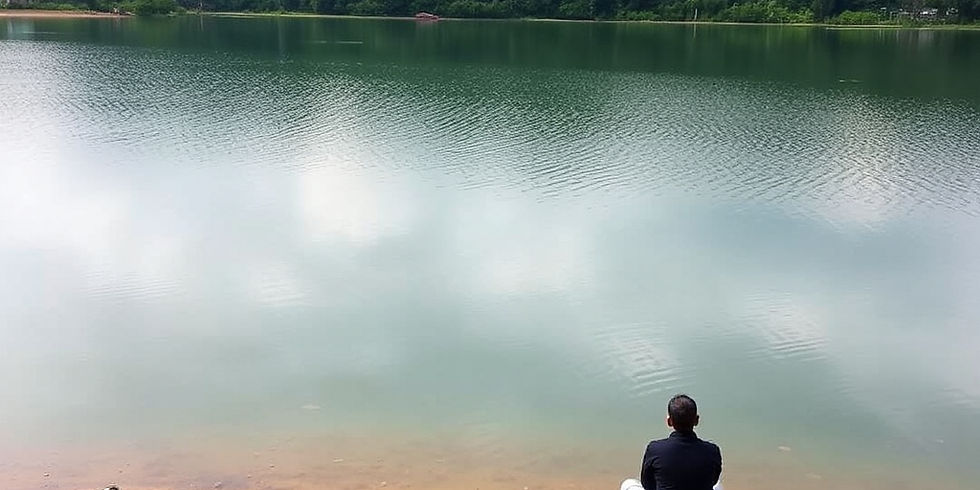
Phewa Lake
The heart of Pokhara, perfect for boating and lakeside strolls.
Sarangkot
Famous viewpoint for sunrise and panoramic views of Annapurna.

Devi’s Fall
A dramatic waterfall with a unique underground water flow.

Gupteshwor Cave
A large cave near Devi’s Fall with a sacred Shiva lingam.

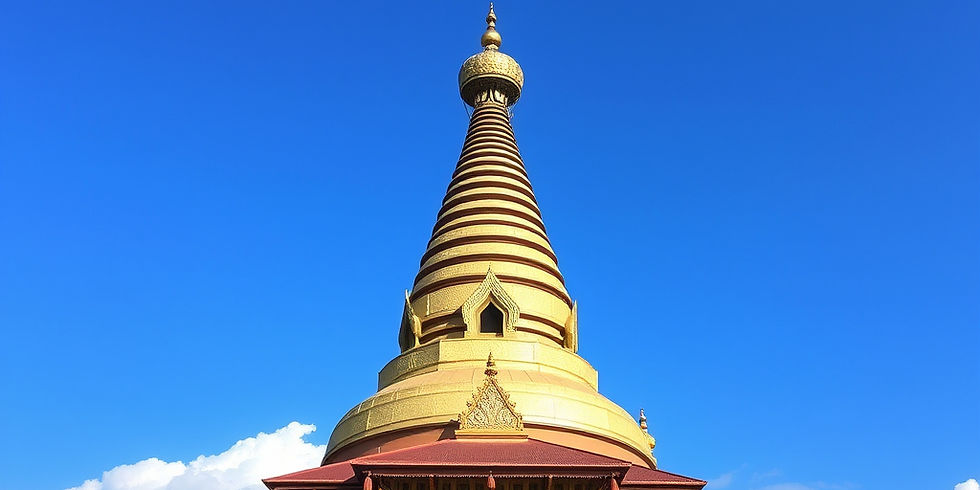
World Peace Pagoda
A hilltop stupa offering peaceful surroundings and city views.
International Mountain Museum
Exhibits on Himalayan culture, flora, fauna, and mountaineering history.

Things to Do in Pokhara
Trekking
Start or end treks on the Annapurna Circuit or shorter trails like Poon Hill.

Paragliding
Experience breathtaking aerial views of the lake and mountains.

Boating
Rent a paddleboat or rowboat on Phewa Lake.

Zip-lining
Try one of Asia’s longest zip lines near the city.

Yoga and Meditation
Join classes or retreats in tranquil settings.

Cultural Tours
Visit local villages and temples to learn about Nepali traditions.

Safety Concerns
Pokhara is safe for most travelers, but keep these points in mind:
Avoid isolated areas at night.
Use reliable transportation and avoid unlicensed taxis.
Stay hydrated and protect yourself from the sun during outdoor activities.
Be cautious when trekking; hire experienced guides and check weather conditions.
Carry a basic first aid kit and travel insurance.
Travel Tips for Pokhara
Carry some cash, as many small shops and taxis do not accept cards.
Dress modestly when visiting religious sites.
Respect local customs and ask permission before photographing people.
Learn a few basic Nepali phrases to enhance interactions.
Use reusable water bottles and avoid plastic waste.
Charge your devices and carry power banks, as electricity can be unstable.
Pokhara’s charm lies in its natural beauty and welcoming atmosphere, so take time to explore at a relaxed pace.


Comments